
Showing posts with label diabetes. Show all posts
Showing posts with label diabetes. Show all posts
Sunday, December 18, 2016


Friday, August 12, 2016
Type 2 Diabetes Treatment: What Is MondoA?
Type 2 diabetes affects about 8% of Americans and another 25% of the population is at risk because of obesity. The condition accounts for as much as 20% of all healthcare costs in the U.S.

Photo Credit: Drug Watch
Insulin resistance, in which insulin no longer causes the body's cells to take up the glucose from a meal and use it for energy, leads to Type 2 Diabetes. Following this, glucose continues to circulate in the blood, stimulating the pancreas to make more and more insulin, which eventually becomes so stressful that the insulin-producing cells die. This results in diabetes as the pancreas can no longer produce enough insulin to control blood glucose.
Read full article at Medical Daily and view video
Thursday, April 14, 2016
James Earl Jones Breaks Silence On Diabetes Journey
James Earl Jones is moving to the front lines of America’s ongoing diabetes epidemic.

Photo Credit: Huffington Post
The award-winning actor has teamed up with Johnson & Johnson pharmaceutical company, Janssen Pharmaceuticals, to help Americans manage their type 2 diabetes via ICanImagine.com. Through the site, visitors can take an interactive quiz to discover behavioral traits that can help them take control of their condition.
For Jones, living with the chronic disease — which affects the way the body processes blood sugar — for over 20 years was a leading factor to share his personal testimony publicly for the first time.
“I’m aware of the mission we all have of living well with it. I will always be a diabetic, but there is a way to live well with it, there’s a way to live with it so I can keep working,” Jones said during an interview with The Huffington Post. “I’m 85, but I can still work. I can still do eight [Broadway] shows a week in theater. And I love that. I love still being active in my life. But it’s more important that I address diabetes, because I will always be a diabetic.”
Continue reading at Huffington Post
Wednesday, April 13, 2016
Radio/TV Personality Doug Banks Died From Complications with Diabetes


Thursday, April 7, 2016
Health Benefit of Mangos for Diabetics

Photo Credit: Care2
Research has shown antioxidant compounds in mango fruit have been found to protect against colon, breast, leukemia and prostate cancers.
Another important health benefit is with Diabetes
Mango leaves help normalize insulin levels in the blood. The traditional home remedy involves boiling leaves in water, soaking through the night and then consuming the filtered decoction in the morning. Mango fruit also has a relatively low glycemic index (41-60) so moderate quantities will not spike your sugar levels.
Read about the 10 Health Benefits of Mangos
http://www.care2.com/greenliving/10-health-benefits-of-mangos.html
Wednesday, April 6, 2016
Type 2 Diabetes Infographic
Type 2 diabetes is the most common form of diabetes, and the disease often develops in stages, starting as pre-diabetes or insulin resistance.
People with pre-diabetes have elevated blood glucose (sugar), but it isn’t high enough to be classified as diabetes.

Source: Houston Methodist Org Blog
People with pre-diabetes have elevated blood glucose (sugar), but it isn’t high enough to be classified as diabetes.
Source: Houston Methodist Org Blog
Tuesday, April 5, 2016
Not All Stevia Is Created Equal!
Did you know there are (3) main categories?

1. Green Leaf Stevia
This is the least processed of all types of stevia and the leaves have basically been dried and ground into powder form. This is the type of stevia that has been used in Japan and South America for centuries as a natural sweetener and health remedy. This stevia is sweet, slightly bitter and isn’t quite as potent as most stevia products. This type of stevia is about 30-40 times sweeter than sugar.
2. Stevia Extracts
Some brands of stevia today extract the sweeter and less bitter part of the stevia leaf (rebaudioside) which doesn’t have the health benefits found in stevioside. This type of stevia may be a better option than other regular sweeteners but there aren’t many studies available yet showing it’s effects. This type of stevia is about 200 times sweeter than sugar.
3. Altered Stevia and Truvia
This is the type of stevia that you want to stay away from and in reality isn’t stevia at all. The problem with these stevia products is the processing and added ingredients.
Read the full article here, and learn more about stevia and the side effects
http://draxe.com/stevia-side-effects/
Sunday, April 3, 2016
Make the Perfect Diabetic Friendly Smoothie
Love to start my morning with an easy to make smoothie, and I always include protein powder . . .

Infographic Credit - Diabetic Connect
Infographic Credit - Diabetic Connect
Tuesday, March 1, 2016
Best Sweetener For Diabetics
I personally prefer Stevia as a sweetner, however after reading this article became familiar with more choices . . .

Find the best 3 options for natural sweeteners at Diabetes Meal Plans, along with more useful info
Monday, February 29, 2016
Best Fruits For Diabetics
Best fruits without worrying about your blood sugar levels

Portion control is essential for every diabetic. Learn more about the best practical way to ensure you get the required intake of sugar?
Fruits: The Ultimate Food For Diabetics:
http://www.stylecraze.com/articles/best-fruits-for-diabetics/
Friday, February 26, 2016
What Are The Best Breads For Diabetics?
It’s often recommended that you eat whole grains instead of the white stuff and it’s true, whole grains are always going to be a better choice because they are complex carbs, rather than simple carbs.
But, when you take the whole grain and grind it into a flour, it changes the way your body digests it. This mainly happens because the bulky fiber component of the grain gets broken down, meaning less digestion – for you as a diabetic that means higher blood sugar spikes

Read full article here at Diabetes Meal Plans
But, when you take the whole grain and grind it into a flour, it changes the way your body digests it. This mainly happens because the bulky fiber component of the grain gets broken down, meaning less digestion – for you as a diabetic that means higher blood sugar spikes

Read full article here at Diabetes Meal Plans
Thursday, February 25, 2016
Charcot Foot Can Cause Disability and Amputation In Diabetics

Charcot foot can occur in the one-third of diabetes patients who lose feeling in their feet and other lower extremities, a condition called peripheral neuropathy.
A debilitating condition called Charcot foot is often missed among the nearly 30 million Americans with diabetes, doctors say.
The condition is highly treatable, but if left alone it can lead to permanent deformity, disability, surgery and even amputation, according to the American College of Foot and Ankle Surgeons (ACFAS).
Read more about how foot conditions in diabetics are often missed
Wednesday, February 24, 2016
Shop Smart for Controlling Diabetes
Making your grocery list for controlling blood sugar and calories

Source:
Tuesday, February 23, 2016
Smoothies for Diabetics
Smoothies are a great way to get in multiple servings of fruits and vegetables, along with many essential nutrients.
The key for diabetics is to monitor the amount of carbs and sugars in any given smoothie and factor that into the amount that you aim to take in each day.

The key for diabetics is to monitor the amount of carbs and sugars in any given smoothie and factor that into the amount that you aim to take in each day.
Monday, February 22, 2016
Infographic: Carbs Per Day For A Diabetic
Did you know that one of the most commonly asked questions is how many carbs per day is best for a diabetic to eat?

More info at Diabetes Meal Plans

More info at Diabetes Meal Plans
Thursday, February 18, 2016
FDA Using Social Media to Reach African Americans

By: Jovonni Spinner, M.P.H., C.H.E.S.
Every February, we celebrate Black History Month – a time to reflect, celebrate, and honor the contributions of African-Americans to our society.
We know that achieving and maintaining good health is a long-standing issue for this group, many of whom may experience worse health outcomes in critical areas like heart disease and diabetes. But, we want to focus on the positive and provide consumers with health education materials to support healthy behavior changes!
It’s true that the health equity gap has narrowed over time, but there is still significant room for improvement. Here are few things that the FDA and the Office of Minority Health (OMH) have done over the past year to reduce health disparities.
Public Engagement:
More than 29.2 million blacks/African-Americans are on social media — and we want to meet consumers where they are.
So we’re using Facebook, Twitter, and other social media platforms and electronic communications (e.g. our newsletter and e-blasts) to educate African- Americans on issues such as heart disease, diabetes, and sickle cell disease among others, and also provide tangible solutions to help manage these chronic conditions.
For example, to mark American Heart Month in February, we developed a social media toolkit to help our stakeholders engage with their members and partnered with the Association of Black Cardiologists to spearhead an #ILoveMyHeart social media campaign.
Continue reading at FDA Voice
Thursday, February 11, 2016
Medications Associated With Increase in Diabetes
Inhaled Corticosteroids Associated With 34% Increase in Diabetes Onset
Inhaled corticosteroids are commonly made use of for treating asthma and COPD (chronic obstructive pulmonary disease).
These medications may however be related to the development and progression of diabetes. Researchers have discovered that inhaled corticosteroids were linked to a 34% increase in the rate of onset and progression of diabetes.
On the highest doses inhaled, the risk increased by 64 percent in onset of diabetes, and 54 percent in the progression of diabetes. Even though inhaled corticosteroids are advised only for individuals with the most severe COPD, recent practice has resulted in them being used in less severe cases.
The fact is, more than 70% of all individuals having COPD are making use of inhaled corticosteroids. Considering that COPD and diabetes have a tendency to increase with age, it’s especially important to determine any possible interaction between the use of inhaled corticosteroids and glycemic control deterioration.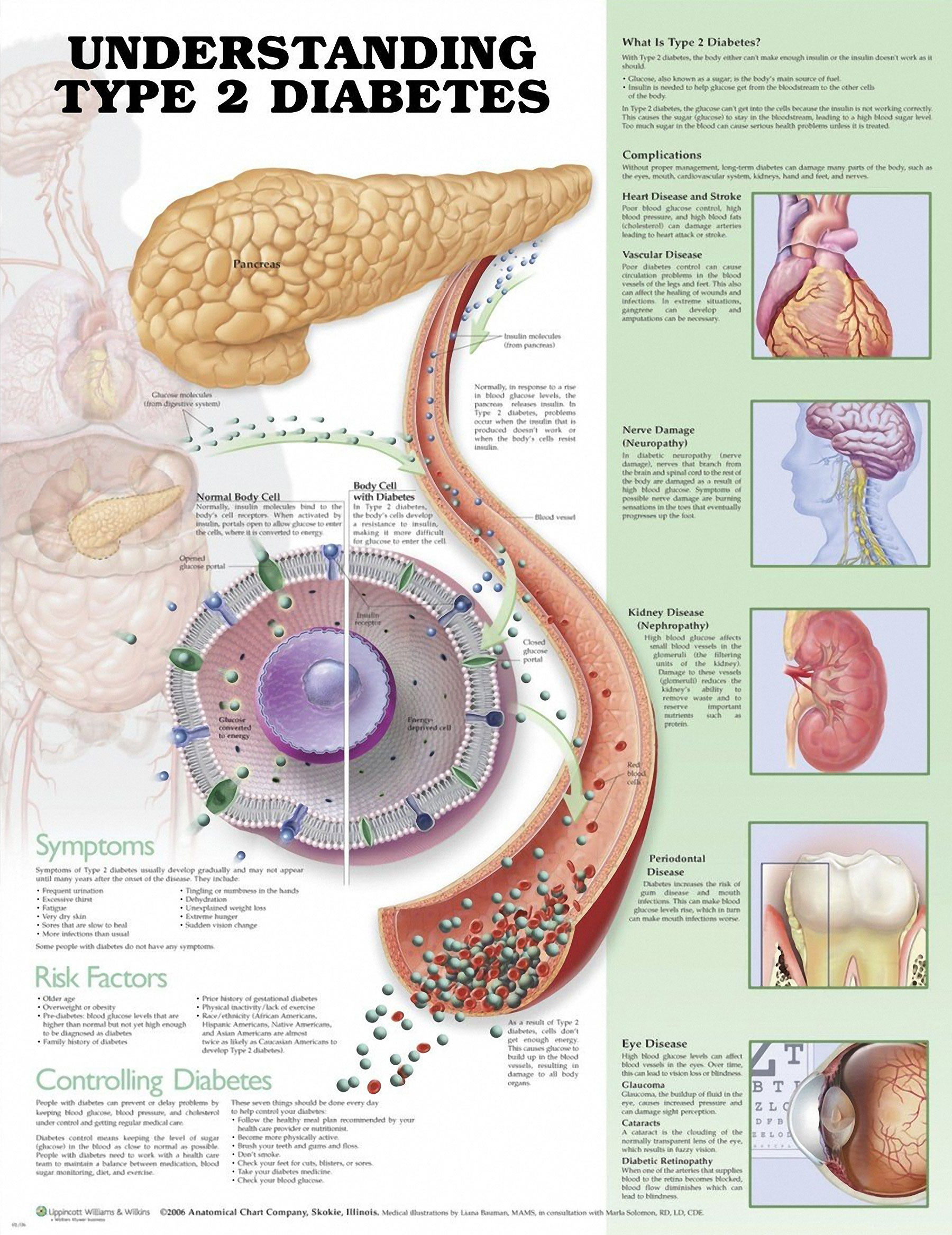
Image via: Inhaled Corticosteroids Associated With 34% Increase in Diabetes Onset
Read full article at Health Blog
Inhaled corticosteroids are commonly made use of for treating asthma and COPD (chronic obstructive pulmonary disease).
These medications may however be related to the development and progression of diabetes. Researchers have discovered that inhaled corticosteroids were linked to a 34% increase in the rate of onset and progression of diabetes.
On the highest doses inhaled, the risk increased by 64 percent in onset of diabetes, and 54 percent in the progression of diabetes. Even though inhaled corticosteroids are advised only for individuals with the most severe COPD, recent practice has resulted in them being used in less severe cases.
The fact is, more than 70% of all individuals having COPD are making use of inhaled corticosteroids. Considering that COPD and diabetes have a tendency to increase with age, it’s especially important to determine any possible interaction between the use of inhaled corticosteroids and glycemic control deterioration.
Image via: Inhaled Corticosteroids Associated With 34% Increase in Diabetes Onset
Read full article at Health Blog
Saturday, November 15, 2014
Interview With Television and Movie Actor Anthony Anderson

A veteran of more than 20 films, Anthony, age 41, currently plays Detective Kevin Bernard on NBC's Emmy Award-winning drama, "Law & Order."
Nadia: I have 10 questions for you.
Anthony: OK, I have nine-and-a-half answers!
Nadia: (Laughs.) What's the purpose of the F.A.C.E. campaign? How did you come to join it, and what will it do?
Anthony: F.A.C.E. stands for "Fearless African Americans Connected and Empowered." The idea is to bring awareness to the African-American community and educate it about type 2 diabetes.
Nadia: Are there factors unique to African Americans that make them more vulnerable to type 2?
Anthony: We seem to be afflicted with this disease more than any other group out there. Every African-American boy today has a 50% greater chance of being diagnosed with type 2 diabetes than a boy from another ethnic group. There are 3.7 million African Americans 20 years and older who are walking around with diabetes right now, and third of them don't even know it. African Americans are 1.8 times more likely to be afflicted with this disease than Hispanics or whites.
That's why Eli Lilly has teamed up with the F.A.C.E. campaign to bring that awareness to the African-American community, and that's why I'm a part of it. I lost my father to type 2 diabetes. I'm a type 2 myself, and so is my mother. I was diagnosed 10 years ago. When I was first diagnosed, I didn't see any program that spoke to me directly as a young African-American male. So I went out and searched for a program that does speak to youth or younger people about this disease. Frankly, when I thought of diabetes, I thought of it as an old person's disease. When I came across the F.A.C.E. campaign, it spoke to me and I became a part of it.
Nadia: When you were first diagnosed and saw only messages that didn't speak to you, did that keep you from taking care of yourself?
Anthony: Well, I'll answer that indirectly. Like I say, I was actually the first person diagnosed in my family with the disease. Unfortunately for my father, he was diagnosed too late make a difference, and we have no idea how long he'd had it. When he was diagnosed, his diabetes had reached the point that it had taken too great a toll. He had leaking and bleeding ulcers on the backs of his legs, and he could barely walk. His doctors talked about amputation. It was a difficult time for him and a very painful existence.
In terms of my own diagnosis, which happened before all these problems with my father, could I have jumped on it better? Could I have worked on it harder the first eight years? Yes. But I did the best I could at the time.
A few years ago, when I was closing in on turning 40, I told myself that I needed to do better at taking care of myself. I was still carrying around excess weight and doing social drinking-maybe a little more than I should have with diabetes. I realized that I needed to keep these things from reaching the point where they could spiral out of control. So I made the conscious decision to eat better and more healthily and to curtail my social drinking. Once I did that, I lost 35 pounds. Eating healthy meals and exercising are things that most anybody can do. It's just up to you to make the decision to make that change.
Nadia: The first eight years that you had diabetes, you were definitely aware of the complications because of your father. But it wasn't until two years ago that you made a stronger commitment to change your lifestyle.
Anthony: Yes. You know the disease doesn't get better; it gets worse over time. My numbers were going in a direction that we didn't want them to go. I realized that my diabetes wasn't getting any better because I wasn't doing anything to make it better. I thought, "I'm not doing as much as I should. I want to take control of it before it takes control of me." I'd seen what it does when it takes control.
I go to see the doctor more regularly now, so I know where my numbers are and I know when they're out of whack. I can catch them earlier, unlike when I wasn't paying attention.
Nadia: Your father's experience illustrates what can happen when family members have diabetes symptoms, but we're not educated about what those symptoms mean. What would you say to the African-American community to make it more aware about diabetes and its symptoms?
Anthony: Well, first and foremost, we need to go to the doctor. We need to be in the doctor's office every six months to see what's going on with our bodies. It's a shame that there's no such thing as a "National Take a Loved One to the Doctor Day," because we just don't go to the doctor. It has nothing to do with insurance or anything like that. We just don't go, especially black men. That's something that needs to be addressed and talked about. We go to get our oil changed and our brakes done every few thousand miles, so why can't we go to the doctor to get our own internal engines checked out?
That's the first thing we have to do. Then, if we're diagnosed with diabetes, we have to be willing to work hard at breaking old habits. When you look at someone who's 40, 50, or 60 years old, living a certain lifestyle, and you tell them that they're going to have to change almost everything they're accustomed to doing, you're going to run into some stubbornness and resistance.
So they need to be educated about how this disease affects the body and how it can kill silently. Until they're faced with those facts or have seen a friend or loved one pass away, it really doesn't hit home. Or it doesn't hit home until they're faced with losing a big toe or a leg. That's why it's so important that Lilly is sponsoring F.A.C.E. to reach out to the African-American community.
Nadia: How does diabetes affect your work? When you've been acting, have you ever experienced high or low blood sugar and had to stop?
Anthony: I've pretty much avoided that. I'm on my program and eating the right things when I'm supposed to eat them. Have I experienced low blood sugar? Yes. I think every type 2 has experienced that. In one instance, I experienced low blood sugar because I'd been too good at what I was supposed to be doing. I exercised too much and ate too much of what I was supposed to be eating, which, coupled with my medication, lowered my sugars more than they should have been.
It's a trial-and-error thing, trying to figure out how you're going to live with this disease, knowing that at any given time you have to prick your finger to check your sugar and see where it is. I have it pretty much under control now that I know how to manage it. It's all about management.
Nadia: Yes.
Anthony: They talk about things like that on the F.A.C.E. campaign's website (www.face-diabetes.com), where people can log on to get information about the disease. They can also click on to discussions about exercise and about healthy living and eating, including recipes.
Nadia: Is there a particular demographic segment of the African-American community that you are hoping to influence?
Anthony: My concern is that diabetes is disproportionately affecting African Americans as a whole, so I'm not looking to have an impact on any particular group within the community. I do think that as a younger spokesperson, compared to those I've seen out there before, I can have an effect. I feel youthful and look younger than my years, so I think I can have an impact on the younger generation as someone that they can identify with.
My hope is that they see me as someone they can appreciate and respect, who's willing to share his story about how he was diagnosed with this disease when he was younger. I'd like them to see how I've managed it and what they may have to do if they get the disease. I can't say how big an impact I'm making or what demographic among African Americans I'm having the most effect on, but I do think I'm making an impact. I'm an African-American man who's in a position to say something, so I'm going to speak to my community about that.
Nadia: Thank you, Anthony, for taking the time to talk to our readers. I appreciate it.
Article Source: Diabetes Health
Friday, November 14, 2014
Law & Order Actress Encourages Diabetic African Americans to Be Proactive About Health Care

Diabetes and various diabetes treatments are a major concern for many, but for “Law & Order” actress S. Epatha Merkerson it is a mission that she is encouraging African Americans with diabetes to be proactive about their health care.
Merkerson, who is known for her role as Lieutenant Anita Van Buren in the “Law & Order,” is working with pharmaceutical giant Merck for the America’s Diabetes Challenge: Get to Your Goals program.
The scheme encourages people with type 2 diabetes to talk to their doctors about setting and reaching their A1C or blood sugar level.
The promoters recommend that people with diabetes have an A1C of less than seven percent to help reduce the risk of complications.
“It’s been really gratifying to be a part of a program that is spreading knowledge,” said Merkerson, who was diagnosed with diabetes in 2003. “I lost my father and grandmother to complications of type 2 diabetes so I learned firsthand how important it is to know your A1C and make a commitment to your goal. What I’ve learned is that type 2 diabetes is a manageable disease. I’m here to let people know that it is manageable and to not be discouraged, because treatment plans change but you have to stick with it.”
She’ll be in town this week for the American Diabetes Association Step Out Walk to Stop Diabetes. The walk will be held Nov. 1 at the Philadelphia Museum of Art. The walk begins at 9:30 a.m. and features a concert by Patti Labelle, a Health Fest and Kid’s Zone.
Source: LawFuel.com
Thursday, November 13, 2014
Rev Run And Wife Justine Spread Diabetes Awareness

This Diabetes Awareness Month Run DMC's Rev Run and his wife Justine Simmons decided to make it their mission to educate and encourage screening.
Photo courtesy of Novo Nordisk and Ask.Screen.Know
Today, 29.1 million people in the U.S. have diabetes, yet an estimated 8.1 million are living undiagnosed and unaware of the health threats they face, according to the Centers for Disease Control and Prevention.
“I realized it was my calling—to make health and diabetes awareness a priority in our lives so we can achieve a better quality life,” Rev Run told Medical Daily. “November 14 is World Diabetes Day and so is my birthday. Screening is so important. I tell people in my church and community, it’s okay if they’re afraid. They can bring their fears with them to the doctors. Just get screened.”
Rev and Justine realized they were at risk after Rev’s manager found out his own father’s condition put him at greater risk. Once Rev found out his weight, family history, and race threatened his long-term health, he made it his mission to encourage others to go in for screening despite their fears.
Continue reading at Medical Daily
Subscribe to:
Posts (Atom)